
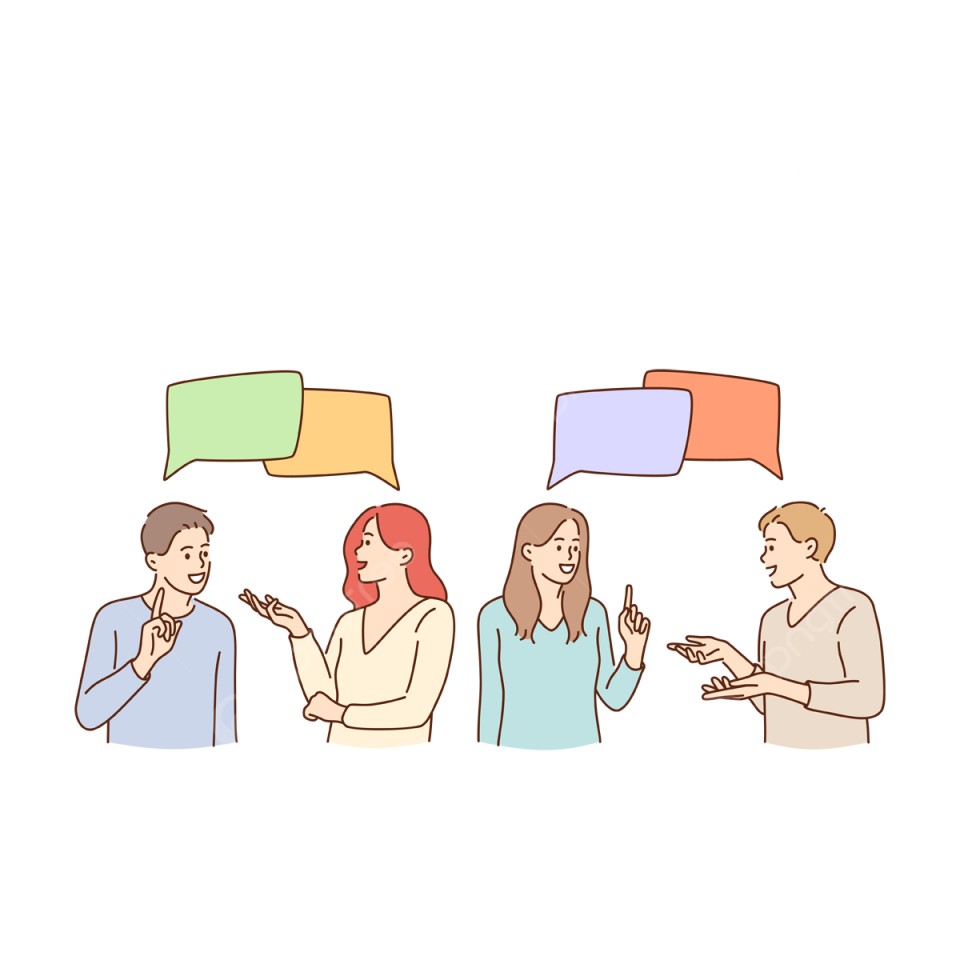
Chatting has evolved from simple face-to-face exchanges to sophisticated digital interactions. Whether through text messages, social platforms, or live chat tools, the way we communicate today shapes our relationships, productivity, and daily life. Understanding how chatting works—and how to do it effectively—can greatly enhance both personal and professional connections.
What Is Chatting?
Chatting refers to the act of exchanging messages in real time or near real time. It can happen verbally, through texting, or via various online platforms. While traditional conversations rely on tone and body language, digital chatting depends heavily on word choice, clarity, and context.
Common Forms of Chatting
-
Text Messaging: Quick, informal communication via mobile devices.
-
Online Chat Rooms: Topic-based or public spaces where multiple users interact.
-
Social Media Messaging: Platforms like Facebook, Instagram, and X support instant conversations.
-
Customer Support Chats: Businesses use chatbots and live agents for real-time assistance.
-
Voice and Video Calls: Still a form of chatting, but with more personal connection.
Why Chatting Matters Today
Chatting plays a central role in how people build and maintain relationships. It offers immediate communication, making it valuable in both personal and business settings.
Key Benefits of Chatting
-
Instant connection regardless of distance.
-
Efficient communication, especially for quick updates.
-
Emotional support, allowing people to stay connected with loved ones.
-
Enhanced collaboration in workplaces and online communities.
-
Accessibility, enabling communication for people with limited mobility or speech challenges.
Digital Chatting Etiquette
When chatting online, small details matter. The absence of facial expressions and voice tone means messages can easily be misinterpreted.
Essential Etiquette Tips
-
Be clear and concise to avoid misunderstandings.
-
Use proper punctuation for readability and tone.
-
Avoid spamming or sending too many messages at once.
-
Respect boundaries, such as response time and personal topics.
-
Be mindful of humor, as sarcasm may not always translate well.
How Technology Has Transformed Chatting
Advancements in technology have revolutionized how chatting works. From emojis to AI-powered chat assistants, modern tools make communication richer and faster.
Major Changes
-
Emojis and GIFs provide emotional context.
-
AI chatbots streamline customer interactions.
-
Voice-to-text features allow hands-free communication.
-
End-to-end encryption improves privacy.
-
Group chats enable collective planning and discussions.
Face-to-Face Chatting vs. Digital Chatting
Differences to Consider
-
Tone & Body Language: More natural in person, limited online.
-
Speed: Digital chatting is quicker and more immediate.
-
Depth: Face-to-face often promotes deeper emotional connection.
-
Convenience: Online chatting allows communication anytime, anywhere.
Tips for Becoming a Better Communicator While Chatting
Improving your chatting skills can enhance relationships, reduce conflicts, and help you express yourself more effectively.
Helpful Tips
-
Think before typing or speaking.
-
Ask open-ended questions to keep conversations flowing.
-
Show interest through thoughtful responses.
-
Avoid multitasking during serious conversations.
-
Stay patient, especially with longer response gaps.
The Future of Chatting
The future of chatting will likely blend more advanced AI, immersive virtual environments, and even more personalized digital experiences. From holographic messaging to smarter predictive texting, conversations will become more natural and intuitive.
FAQs
1. How is chatting different from traditional communication?
Traditional chatting relies on face-to-face cues, while digital chatting depends mainly on written or audio messages.
2. Can chatting strengthen relationships?
Yes, consistent and meaningful chatting can maintain closeness and deepen bonds.
3. Is online chatting secure?
Many platforms use encryption, but users should still avoid sharing sensitive information unnecessarily.
4. Are emojis important in digital chatting?
Emojis help express emotions and clarify tone, making communication more relatable.
5. Why do misunderstandings happen in chats?
Lack of tone, facial expressions, and immediate feedback can cause messages to be interpreted incorrectly.
6. What makes a conversation engaging?
Active listening, thoughtful replies, and curiosity help keep any chat enjoyable.
7. How can I improve my online chatting skills?
Practice clarity, be polite, use pauses wisely, and match the tone of the conversation.
